
Despite ruling at the state center and Municipal Corporation, the BJP has not delivered the kind of civic transformation Gurugram deserves
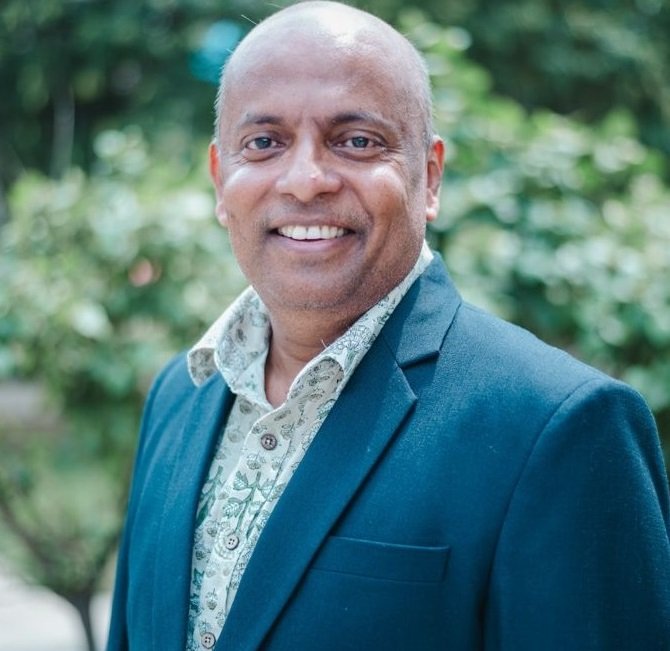
Gustakhi Maaf Haryana-Pawan Kumar Bansal
Despite ruling at the state center and Municipal Corporation ,the BJP has not delivered the kind of civic transformation Gurugram deserves. There is no clear roadmap for sustainable urban development, and public grievances continue to pile up.
Why Gurugram suffers? By our enlightened reader Ajay Sharma.Lack of Political Will and Vision
•Leadership Deficit: Gurugram has suffered from short-term, reactive governance rather than long-term planning. Most elected representatives have focused on tokenism, not transformation.
•BJP’s Underperformance: Despite ruling both the state and center, the BJP has not delivered the kind of civic transformation Gurugram deserves. There is no clear roadmap for sustainable urban development, and public grievances continue to pile up.
2. Poor Urban Infrastructure Planning
•Uncoordinated Development: Unlike cities like Noida or even Navi Mumbai, Gurugram expanded without integrated planning. Result: sectors came up, but roads, drainage, parks, and public transport did not.
•No Empowered Local Body: GMDA (Gurugram Metropolitan Development Authority) lacks teeth, and MCG (Municipal Corporation of Gurugram) is often sidelined. There is no real urban governance autonomy.
3. Civic Services in Disarray
•Water & Drainage Crisis: Overflowing drains, water-logging in monsoons, and irregular water supply are persistent issues.
•Electricity and Streetlights: Frequent outages in several sectors, broken or missing streetlights in many areas.
•Sanitation and Waste: No structured waste segregation; poor solid waste management system even in high-value sectors.
4. Transport and Traffic Chaos
•Zero public transport integration, over-reliance on private vehicles.
•Pathetic last-mile connectivity from metro stations.
•No enforcement of traffic norms; chaos on roads is the norm.
5. RWAs & Citizens Not Engaged
•Token citizen participation: RWAs and citizens are rarely engaged in real-time decision-making. Civic society has energy, but the system lacks responsiveness.
6. No Accountability
•No accountability for contractors, MCG staff, or even elected councillors. Projects are delayed, and citizens pay the price.
•Corruption in approvals, lack of transparency in budgeting and tendering processes.
7. Comparison with Noida
•Noida Authority has delivered better urban management and services.
•There is a visible political will in Noida to attract investment, maintain roads, green belts, and execute infrastructure projects on time.
•Gurugram, despite being a GST powerhouse, is unable to get its rightful share of investment in urban amenities.
Conclusion:
Gurugram’s failure as a civic society is not due to lack of resources or citizens’ intent — it’s purely a leadership and governance crisis. The BJP and other local political actors have not risen to the occasion. What’s needed is:
•Decentralized governance
•Empowered ward-level leadership
•Citizen-led planning
•Strict accountability mechanisms
If Gurugram is to live up to its economic potential, it needs a new model of urban governance — not just administrative reshuffling.