
“Chal Beta Bansi Lal”: A Witty Ride Through Haryana’s Political Landscape Set to Make an English Debut
Gustakhi Maaf Haryana: Pawan Kumar Bansal
“Chal Beta Bansi Lal”: Anecdotal Account of Haryana’s Murky Politics
Introduction: A Humorous Tribute to Haryana’s Political Legends
In the upcoming English adaptation of his widely appreciated Hindi book, author Pawan Kumar Bansal presents a refreshing and humorous take on Haryana’s political scene. Titled “Chal Beta Bansi Lal”, the book is a compelling collection of witty anecdotes and quirky incidents from the lives of Haryana’s prominent political figures. While the title takes a playful jab at one of Haryana’s most towering leaders—the late Bansi Lal, it also offers a deep insight into the grit, governance, and ground realities that shaped the state’s political journey.
Bansi Lal: The Iron-Willed Administrator Who Made Teachers Pedal Politics
Among the many characters portrayed in the book, Bansi Lal, former Chief Minister and Union Defence Minister, emerges as a particularly unforgettable personality. Known for his iron-fisted administration and no-nonsense governance, Bansi Lal once implemented a controversial teacher transfer policy during his second term as CM. Believing that teachers stationed near their hometowns got too involved in local politics, he ordered that every teacher be posted at least 20 kilometers away from their native village.
This decision sparked outrage among the teaching community. Since the most common mode of transport at the time was the humble bicycle, teachers had no option but to endure long commutes daily. What began as frustration eventually turned into folklore when teachers, exhausted and bitter, would pat their cycle seats each morning and mutter the now-iconic phrase: “Chal beta Bansi Lal!” The phrase became a satirical symbol of resilience and resistance—a rare blend of protest and humour.
Humour in Governance: Teaching the Teachers Before They Could Teach
Ironically, this seemingly harsh policy and the witty phrase it inspired became part of Bansi Lal’s political legacy. It was humorously remarked that he had “taught the teachers before they could teach Haryana.” This story, like many others in the book, underscores how Bansi Lal’s leadership style, though stern, left behind an unexpectedly humorous imprint on the public psyche.
From Khushwant Singh to Kapil Dev: Praise from All Quarters
Originally published in Hindi 25 years ago, the book received accolades from notable figures such as Khushwant Singh, Parbhash Joshi, Kuldeep Nayar, cricketer Kapil Dev, and former Press Council of India Chairman Justice PB Sawant. Justice Sawant remarked, “By bringing out the book, the author has served a public cause besides adding to the literature on political satire.”
Khushwant Singh, despite struggling with Hindi, wrote, “I enjoyed your witty compilations and it was vastly amusing. You should come out with its English version.”
The Week magazine added, “The book will be of interest to all Hindi readers, even if they are not interested in Haryana or its Aaya Rams and Gaya Rams. The author should release an English version so English readers can also enjoy this political wit.”
English Edition to Capture the Essence of Haryana’s Humorous Politics
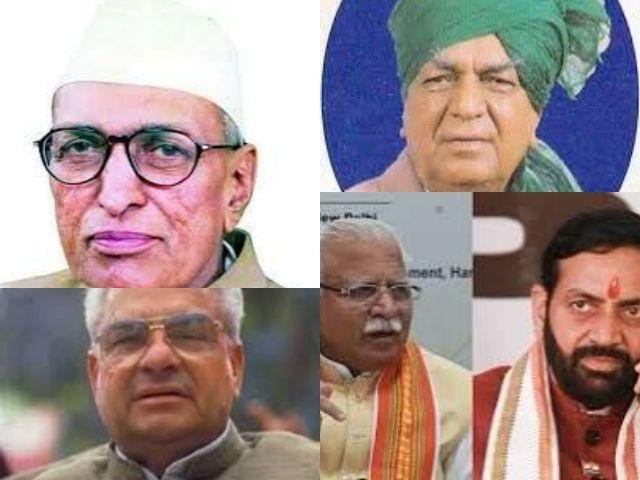
The English version aims to revive and update these tales for a broader audience, particularly for younger readers unfamiliar with Haryana’s unique political culture. It will feature anecdotes not just about Bansi Lal, but also other political heavyweights like Devi Lal, Bhajan Lal, and Manohar Lal Khattar, all known for blending humour with governance.
Call for Contributions: Share Your Stories
As the book nears completion, the author invites readers, journalists, and political observers to share untold anecdotes, humorous incidents, or personal memories of Haryana’s political figures. These contributions could find a place in what promises to be a delightful journey through the wit, wisdom, and whimsy of Haryana’s political theatre.
Conclusion: Where Satire Meets Substance
“Chal Beta Bansi Lal” is more than a satirical collection—it’s a celebration of political candour wrapped in humour. It captures the colourful essence of Haryana’s political narrative, proving that sometimes, even governance comes with a punchline.